
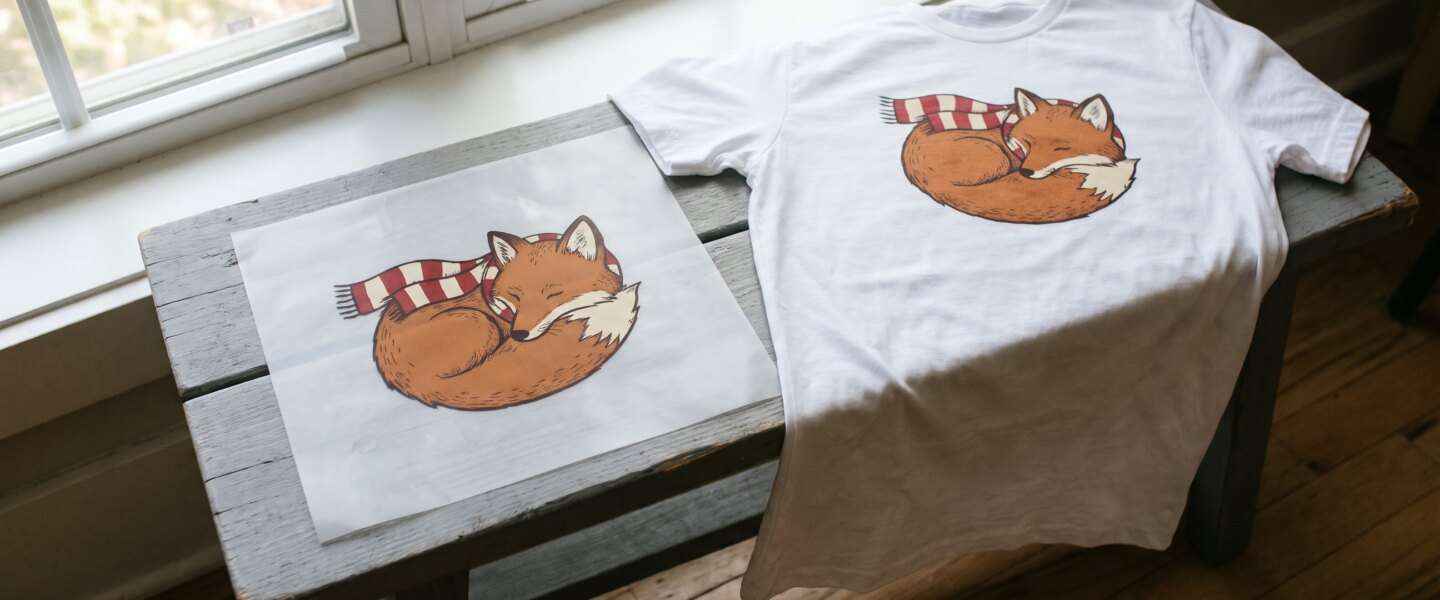
Yes, you can still sell AI-assisted designs on printed tees and hoodies through Etsy as of October 2026, but three things changed on 22 October: every listing needs one unedited photo of the real item, the description must say AI was used, and listings generated by bots with no human involvement are removed. Here is what Etsy published, what it means for a UK seller who prints through a studio, and the UK consumer law that applies either way.
What Etsy published on 22 October 2026
Three documents carry the rules. The first is a Seller Handbook article, Important updates to AI use on Etsy, published on 22 October 2026 under the name of James Ossman, Etsy's Vice President of Customer Operations. Its key line is "AI should support your creativity and craftsmanship, not replace them."
The second is the Listing Image Requirements policy, marked "Last updated on Oct 22, 2026". The third is older: Etsy's Creativity Standards, last updated 10 June 2025, which already said that "Sellers must disclose within their listing description if an item is created with the use of AI." Nothing in the October update softens that sentence.
None of the three gives a separate start date. The image policy is live from the date on it, and the handbook article says sellers must review and update existing listings that do not meet the new image requirements. The r/Etsy thread this month calling it a crackdown is reacting to these three pages, nothing unpublished.
AI-generated designs: what you can still sell
Etsy's Creativity Standards sort every listing into four categories, and a printed tee with your own design sits in "Designed by a Seller". That category expressly includes "seller-prompted AI creations", meaning items generated with AI tools from your own original prompts. The example Etsy gives is a fantasy scene made from a seller's prompt.
The condition is a clear creative role. The 22 October article says Etsy will continue to allow AI-generated art when "sellers play a clear creative role in what they create" and are transparent about the process. One prompt and forty uploaded variants is where that argument gets thin; choosing the composition, redrawing the weak parts, setting the type and picking the colours is where it holds.
Three things are now outside the line. Bot-generated listings with no human involvement are removed, and the article says a shop doing it may be removed too. AI-generated functional guides (patterns, recipes, instructions) are banned outright. AI prompt bundles sold without the finished artwork do not qualify under Designed by a Seller at all. None of those is a t-shirt, which is the point: a design you prompted, edited and then had printed is still allowed, provided the description says AI was used.
Listing photos and mockups: the one unedited photo rule
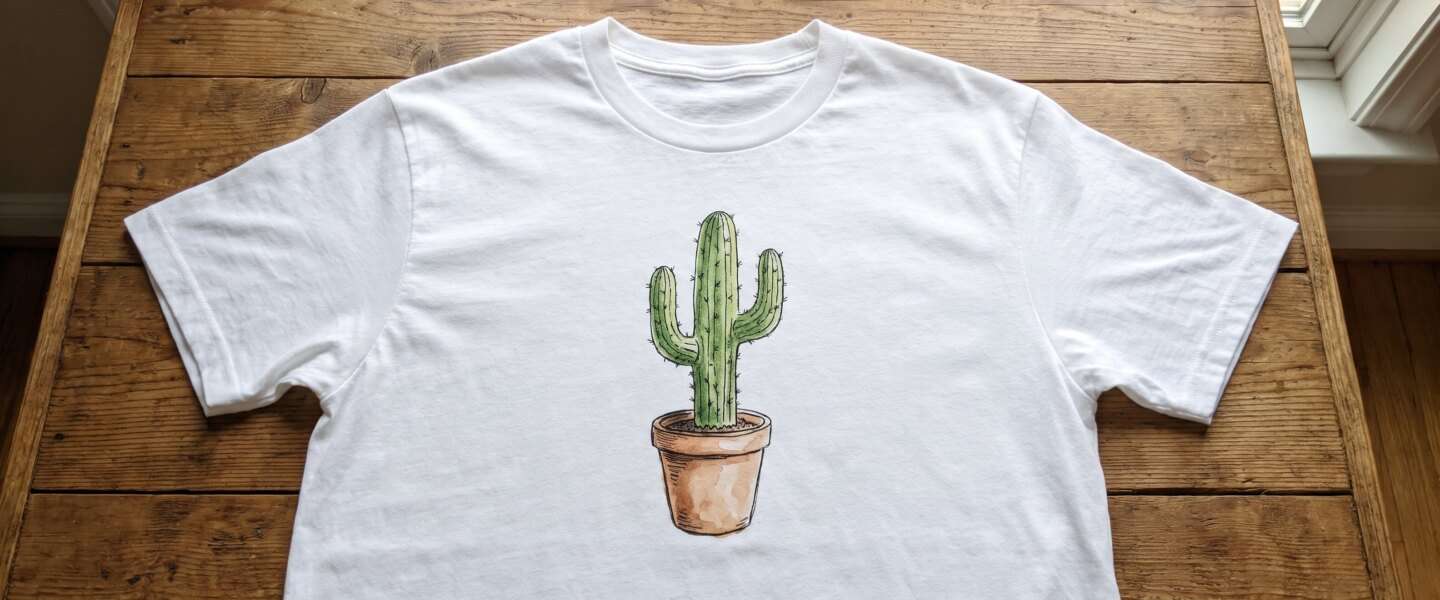
This is the change that catches clothing sellers. The Listing Image Requirements policy says all images "must accurately reflect the item's true appearance, including color, condition, scale, and materials", and for most products at least one must be a real, unedited photo of the item against a real background. You may not touch that one photo with editing software or AI tools.
The rest of the gallery is freer. You can adjust lighting, exposure and colour to match real life, crop, resize, straighten, and clean up or replace the background. You cannot change the product's actual colour, texture or condition, hide a defect, or use AI to change a physical item's core design or features. An AI render that shows the print sharper, brighter or larger than the transfer you sell is the thing the policy names: "AI-generated approximations that misrepresent color, texture, quality, or other characteristics" are prohibited.
Two product-type lines matter here. For print on demand, Etsy says a stock photo mockup is allowed if the stock photo owner has authorised its use, so a licensed mockup template is fine as a supporting image. For customised and made-to-order items, which is what a name tee is, the policy says to use photos of real finished items you have made before. One printed sample, photographed on a table in daylight, satisfies the unedited-photo rule for the whole listing. We print single tees from one DTF transfer with no minimum order, so a sample costs you one garment, not a run.
What gets removed, and how Etsy says it will enforce
Stick to what is published. The handbook article says that if Etsy detects AI-generated images while a listing is being created it will show tips on representing the item accurately, and that Etsy plans "to more proactively enforce these requirements as listings are created" over time. Guidance for existing images "will expand over time".
Removals follow the image policy's own ladder: a misleading listing may be removed, and "repeated violations may result in additional enforcement action, up to and including shop removal". There is a money consequence as well. If a buyer opens a case because the item is materially different from the listing, Etsy may refund them and "you may be responsible for the refund amount". A removed listing can be appealed through the Policy violations page in Shop Manager.
Buyers have a new report reason for misleading AI imagery. Etsy says those reports "won't result in immediate enforcement action" at first and are there to help it understand how buyers see AI misuse. Etsy has not published removal counts, detection methods or a timetable beyond "the coming months", so nothing here should be read as a forecast for any one shop.
You design it, a studio prints it: how the rules land on a UK seller
If you sell on Etsy and have the garments printed in Forest Gate, the artwork is yours and Brandum is what Etsy calls a production partner. The Creativity Standards allow that under Designed by a Seller, and under Sourced by a Seller for "buyer-personalized items produced by a production partner, such as a custom-printed t-shirt". The disclosure sits with you: "Sellers must disclose that an item is made by a production partner." That is a separate statement from the AI disclosure, and a listing with an AI-assisted design printed by a studio needs both.
The design has to clear our artwork policy before it clears Etsy's. We do not print registered brands, logos or film and TV characters without the rights holder's written permission, and an AI tool that has drawn you a cartoon mouse in red shorts has not made it yours. Etsy's own AI article says the same in its way: AI content must still follow its intellectual property rules.
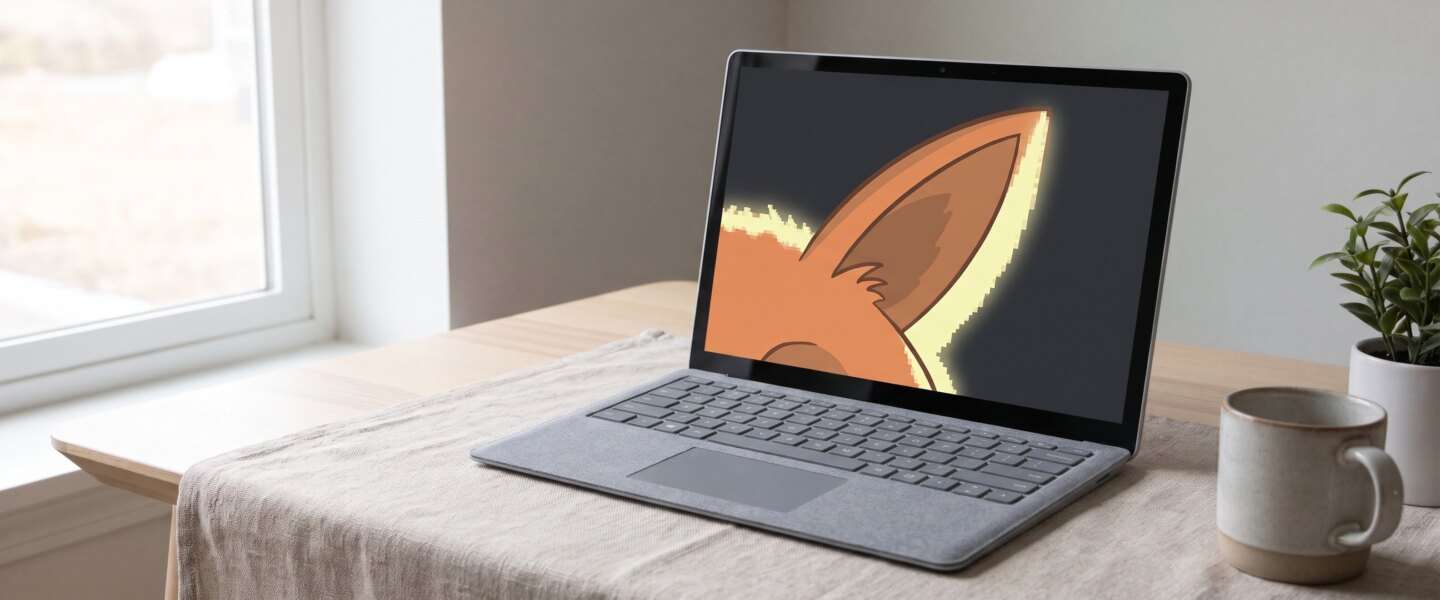
AI output has a second problem that has nothing to do with policy. It arrives at screen resolution, with soft edges and a background that is not quite transparent, and that prints as a halo. Run the file through the free AI image checker, which tells you whether the image is print-ready, and if the edges are soft put it through the free vectoriser, which redraws them as clean paths. Our design file setup page covers the file side; the transfers themselves run from A8 (5.2 x 7.4 cm) to A3 (29.7 x 42 cm).
For stock, a Gildan Softstyle 64000 tee with a one-colour front print is £8.50 each at 100 and £9.50 each at 50, and a Just Hoods JH001 hoodie is £24 each at 50 (all as of October 2026, with no VAT added because Brandum is not yet VAT registered). A one-off for a sample or a single sale is ordered one at a time through the shop with no minimum. If you press at home, a 1 m DTF gang sheet (57 x 100 cm) built in the gang sheet builder is £13 for one and £12 each for 2 to 10, as of October 2026. The longer sums are in our DTF for Etsy shops guide and the clothing brand reality check.
UK consumer law applies whatever Etsy decides
Etsy's rules are terms between you and a marketplace. UK law sits underneath them. Until 5 April 2025 the relevant rules were the Consumer Protection from Unfair Trading Regulations 2008. From 6 April 2025 they were replaced by Part 4, Chapter 1 of the Digital Markets, Competition and Consumers Act 2024, which revokes the 2008 Regulations at section 251 and keeps them only for conduct before that date.
Section 225 prohibits unfair commercial practices. Section 226 defines a misleading action to include false or misleading information about a product and an overall presentation likely to deceive the average consumer. Section 227 covers misleading omissions. Describing an AI-assisted design as hand-drawn is the first; a listing photo that shows a print the garment will not have is the second; leaving out that the item is printed to order by a third party, where that would change the buyer's decision, may be the third. The Competition and Markets Authority's guidance on the new regime is CMA207, Unfair commercial practices, published in 2025.
The unedited photo Etsy now requires is also the photo that keeps your listing honest under section 226. Take it before you write the description.
The label inside the tee is your job, not Etsy's
Etsy checks the listing. UK labelling law checks the garment. A printed tee sold in the UK must carry its fibre composition under the Textile Products (Labelling and Fibre Composition) Regulations 2012, and our post on what the label on a printed garment must say goes through the wording. If you cut out the Gildan or Just Hoods neck label and sew in your own, the rules on what can go and what must stay are brand by brand in relabelling blanks for your own brand.
One honest limit. A label does not make a design yours. Relabelling a blank you printed an AI image on is fine; relabelling a blank with someone else's artwork is not, and we will not print the artwork or sew the label for that one.
What to change this week
- Photograph one real garment, unedited, on a real background, and make it the first image. Daylight, a table, no filter.
- Where AI touched the design, say so in the description in your own true words, and name the production partner in the same listing.
- Go through existing listings and replace any gallery image that shows a print larger, brighter or sharper than the one you ship.
- Check the design against the artwork policy and the AI image checker before you order the sample.
- Keep the licence for any mockup template you use.
Our bench setting for that sample, so your photo matches what every later buyer gets: pre-press at 150°C for 2 seconds to drive out moisture, press 12 seconds, peel after 3 seconds, re-press 3 seconds. Polyester runs at 135°C. Wash below 30°C, inside out.